



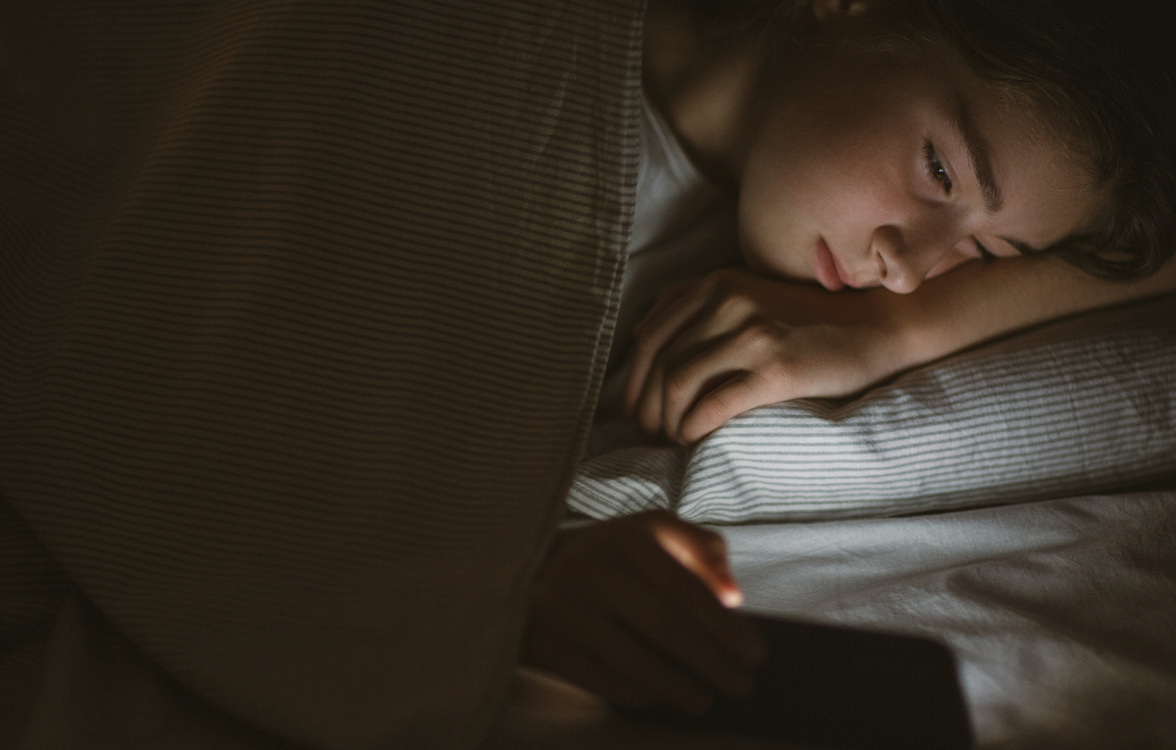
If you’re like most teens, social media keeps you up later than you planned. One video turns into twenty. Notifications or messages keep popping up. And when you finally put the phone down, your mind may be too alert to drift off.
What science says is going on is that this is a brain biology problem.
Why Do Teen Brains Need Extra Sleep
During adolescence, your brain is going through one of the most intense growth periods of your entire life — especially areas that control decision-making, memory, and emotional regulation. Sleep fuels that process. Experts recommend 8–10 hours per night for teenagers. But research shows about 70% of high schoolers get less than 8 hours on school nights.
When you sleep, your body:
· Strengthens memory pathways
· Clears toxins that build up during the day
· Balances hormones that affect hunger, stress, and mood
· Repairs muscle and tissue for physical growth
Skipping sleep means that essential brain development is actually slowed down.
Another Problem
Smartphones emit blue-wavelength light — the same type naturally found in sunlight. Your eyes have special photoreceptors that detect this light and send signals to your brain’s internal clock.
Blue light at night can suppress melatonin which is the “sleep hormone”. In turn, the delay in circadian rhythm can shift your natural sleep schedule later and keeps the prefrontal cortex (thinking area) active instead of powering down.Even two hours of screen time before bed can cut melatonin by as much as 23% according to sleep studies.
THE ALERTNESS TRAP:: Dopamine and Infinite Feeds
Social media platforms are built around dopamine, a chemical linked to rewards and excitement. Every like, comment, or new video gives the brain a tiny dopamine hit.
This creates what neuroscientists call a variable reward system — similar to slot machines:
You never know what the next swipe brings and your brain keeps seeking just one more and time passes without you noticing. This constant stimulation increases cortisol, a stress hormone — the opposite of the calm needed for sleep. So, emotional content will lead to an aroused brain. Late-night scrolling often includes: Drama or arguments in comments ;news that raises anxiety; videos that are shocking or exciting and messages that trigger worry or FOMO. Emotional arousal activates the amygdala — your brain’s alarm system — making it tough to wind down. That’s why you can feel exhausted yet wired at the same time.
Consequences
One night of poor sleep affects you the next day and it give you:
· 25–40% slower reaction time (dangerous for driving)
· Lower accuracy and memory for school
· Increased anxiety and irritability
· Hormonal changes that cause hunger spikes and acne breakouts
· Reduced immune response, leading to more colds
Chronic sleep loss is associated with higher rates of depression especially among frequent social media users. In order to win back your sleep, you don’t need to ditch social media — just use it smarter: Instead, set a “digital sunset” 60 minutes before bed, giving the Melatonin time to rise. You can silence notifications after 9 PM and then your brain shouldn’t be on alert duty.
Also, it is a good idea to turn on Night Shift / blue-light filters. Finally, you can replace scrolling with calming routines. Stretching, music, reading, or journaling helps the brain transition to sleep mode.
So, social media isn’t the enemy — but the timing matters. Your brain is still developing, and it needs the deep sleep cycle to build a stronger, calmer, smarter version of you.
Every minute of scrolling past bedtime is a minute taken away from that growth.