

It’s 2 a.m. and someone you love has a fever that won’t break. The clinic is far, the consultation
fee is real, and your phone is right there. So you open it. A stranger swears a kitchen remedy
fixed his kids in a day. The video has two million likes and costs nothing. Who wouldn’t press
play?
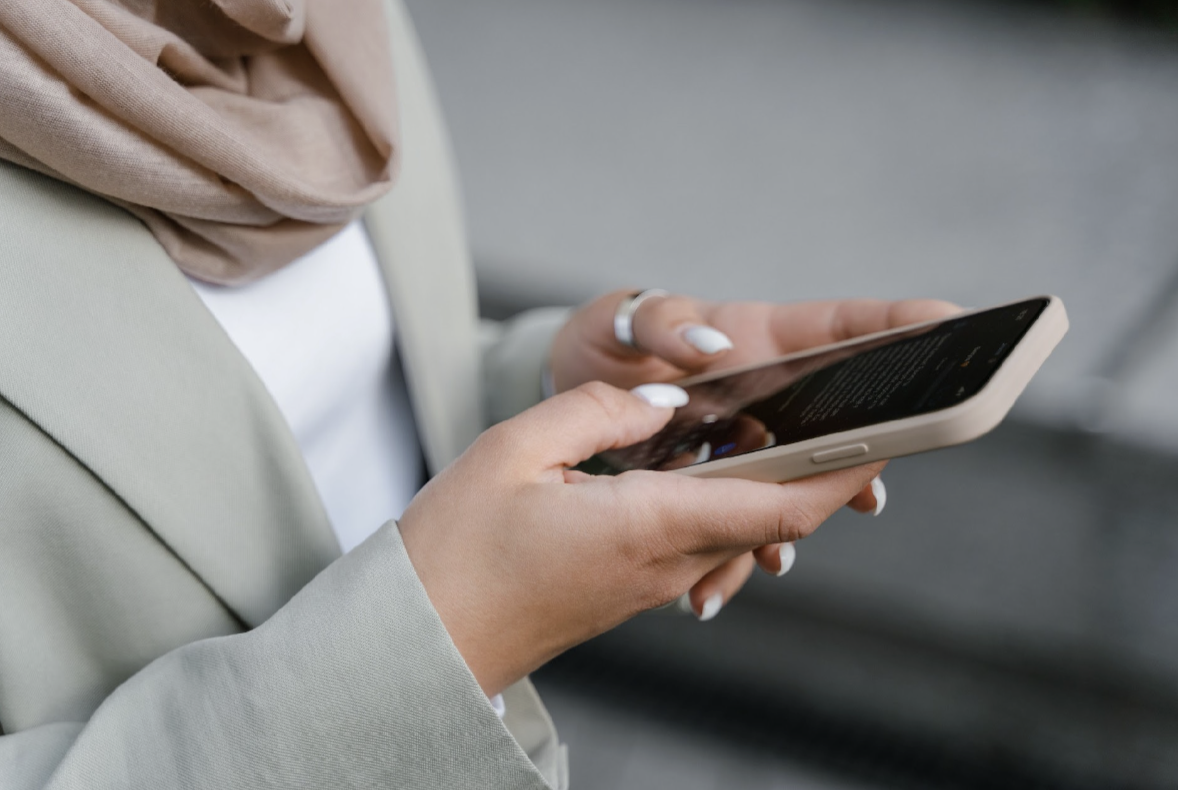
That’s the thing. We’ve all done it. Social media has become the world’s biggest waiting room,
so the real question isn’t whether we take health advice from our feeds. It’s whether we can do it
without paying for it with our health.
The case for the feed
Social media explains medicine in plain language, something hospitals rarely manage.
Someone living with lupus or depression can find people going through the same thing and stop
feeling so alone. Where doctors are expensive, far away or overworked, a free explanation
beats nothing. And plenty of real doctors and nurses post good content.
The case against the feed
But the critics aren’t wrong. Platforms push whatever keeps you watching, so a dramatic miracle
cure travels faster than a careful correction. Some influencers earn money from the
supplements they recommend. Confidence gets mistaken for expertise. And a video can’t know your age, your allergies or the drugs already in your body, so what’s harmless for one person can hurt another. Self-medication and late diagnosis end up in emergency rooms.
My verdict
So who wins? Honestly, both sides do. The platform isn’t the problem. Blind trust is.
Here’s where I land: social media health advice is a good starting point and a terrible final
answer. Before you act on a video, ask four things. Who is this person, and can I check their
credentials? Do they show evidence? Are they selling something? Are they promising a cure? If
any answer bothers you, see a health professional.
So the next time a confident stranger offers you a fix in sixty seconds, remember your health
deserves more than a swipe.