




Imagine thinking of a song, and your phone starts playing it. Or picturing a vivid digital artwork in your head, and seeing it appear on your screen down to the exact shade of neon blue.
This isn’t sci-fi lore—it’s the frontier where artificial intelligence meets neurotechnology. At the center of this revolution are breakthroughs like Brain-IT (Brain Interaction Transformers) and advanced Brain-Computer Interfaces (BCIs). These systems use neural network architectures to decode complex electrical and metabolic brain signals, essentially learning to read the language of human thoughts and perceptions.
For teens growing up today, this technology won’t just be a lab experiment. It will likely shape the world you step into as college students, creators, and professionals.
What Actually Is “Brain-IT”?
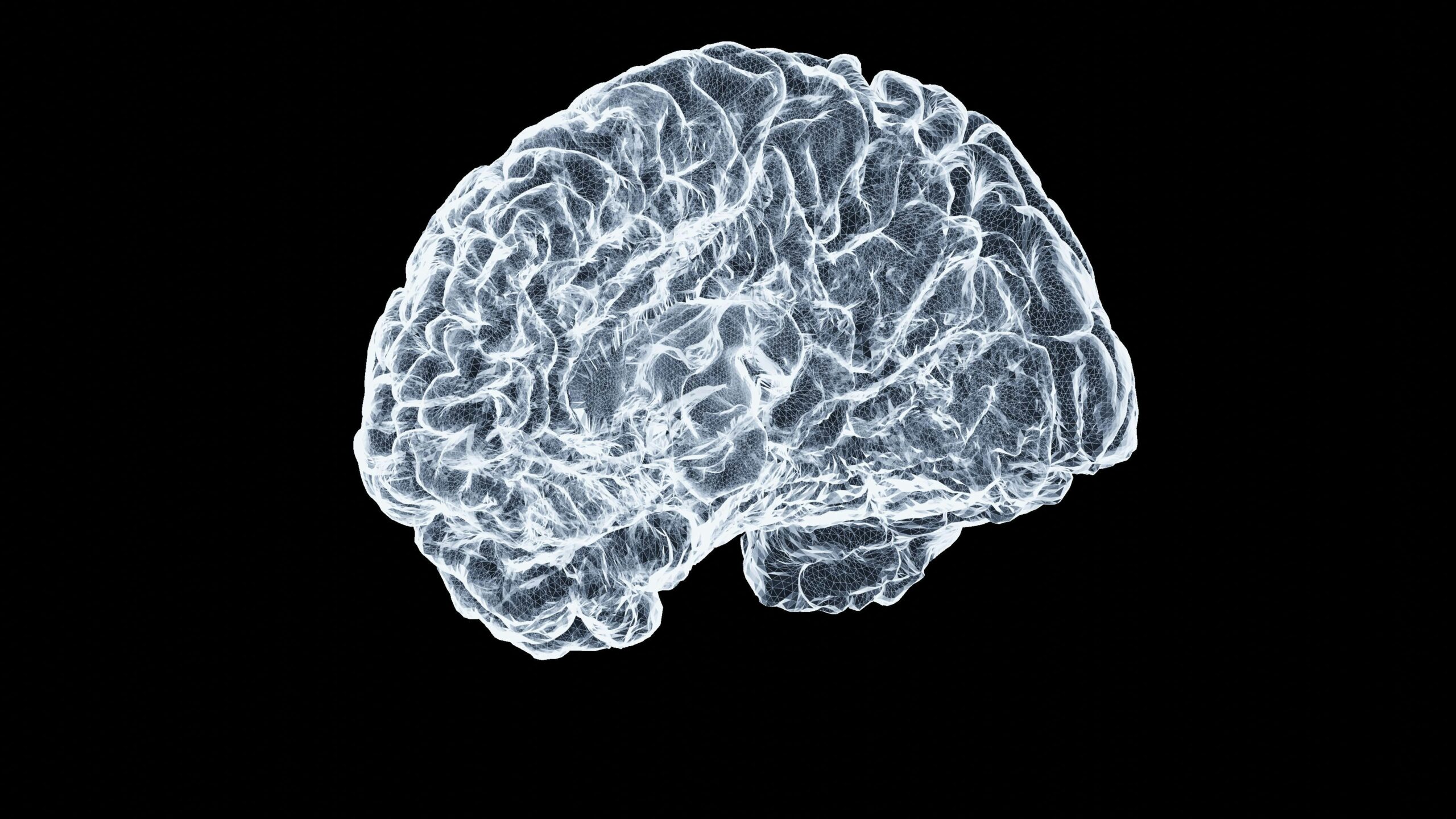
Your brain runs on billions of neurons firing electrical impulses. Whenever you see a red sneaker, hear a beat drop, or recall a memory, a unique pattern of neural activity lights up. Historically, reading these patterns was like trying to understand a whisper through a concrete wall.
That’s where AI models like Brain-IT come in. By pairing deep learning—specifically transformer models similar to the ones behind tools like ChatGPT—with brain-imaging data (like fMRI or EEG), AI can analyze brain scans and reconstruct what someone is looking at or imagining in high resolution. It bridges biological neurons with digital silicon.
How It Changes the Future for Teens
When you look ahead 5 to 15 years, the convergence of AI and brain tech will hit several everyday aspects of life:
- Next-Gen Gaming and Social Media
Forget sweaty thumbs on controllers or VR remotes. Non-invasive headsets—stylish headbands or earbuds equipped with micro-sensors—could soon let you maneuver game avatars, switch weapons, or send group chat messages at the literal speed of thought. Virtual worlds will respond not just to what you click, but to your emotional focus and focus levels. - Hyper-Personalized Learning
Studying for calculus or AP Bio might look completely different. Educational neural software could monitor when your brain enters cognitive overload or starts zoning out, dynamically simplifying explanations, switching formats (from text to 3D visuals), or prompting an active break when retention drops. - Restoring Autonomy and Health
Perhaps the most inspiring impact is medical. BCI systems are already enabling people with spinal cord injuries or paralysis to type, navigate digital spaces, and pilot robotic limbs purely through thought. As algorithms mature, neurological conditions like depression, ADHD, and chronic anxiety may be managed via personalized neuro-feedback loops.
The Tough Questions: Neuro-Privacy and “Brain Hacks”
Cool tech always brings heavy baggage. If an AI can decode what you see or imagine, what happens to your private thoughts?
- Cognitive Privacy: We already worry about social apps tracking our taps and search histories. What happens when wearable tech can track mental fatigue, mood swings, or unspoken reactions to an advertisement?
- The Pressure to “Upgrade”: If neural interfaces enhance focus and recall, will students who use them have an unfair academic edge? Could neuro-enhancement become the new standard for college admissions?
Owning Your Digital Mind
You are the first generation that will not merely use computers, but potentially interface with them directly. You don’t need to fear the future, but you do need to understand it. The developers, ethicists, and policymakers who decide how neural data is safeguarded will be people from your generation.
Learning how AI handles data and asking critical questions about digital autonomy today ensures that when tech meets the human mind tomorrow, humans stay in control.