



Walk into any beauty retailer or scroll through social media, and the shift is undeniable:
skincare has evolved from a basic routine into a high-stakes hobby and cultural status
symbol. Driven by viral aesthetics, aesthetic vanity setups, and clinical-grade branding,
younger teens are purchasing advanced skincare at an unprecedented rate.
However, pediatric dermatologists and medical professionals are sounding a major
alarm. Clinics are seeing a massive influx of adolescents and young adults presenting
with atypical chemical burns, severe contact dermatitis, and compromised skin barriers.
It raises a critical question for both teens navigating their routines and the adults guiding
them: at what point does hyper-hygiene cross the line into physical harm?
The Biologic Mismatch: Actives vs. Developing Physiology
The core of this trend’s fallout lies in a fundamental misunderstanding of skin
physiology. Teenage and young adult skin is inherently dynamic; hormonal shifts
naturally accelerate cellular turnover and increase sebum production. Yet, the products
dominating digital feeds are specifically formulated for mature, senescent skin.
Young consumers are routinely applying aggressive active ingredients designed to
reverse photoaging, stimulate fading collagen, and thin a thickened stratum corneum.
The three most common culprits include:
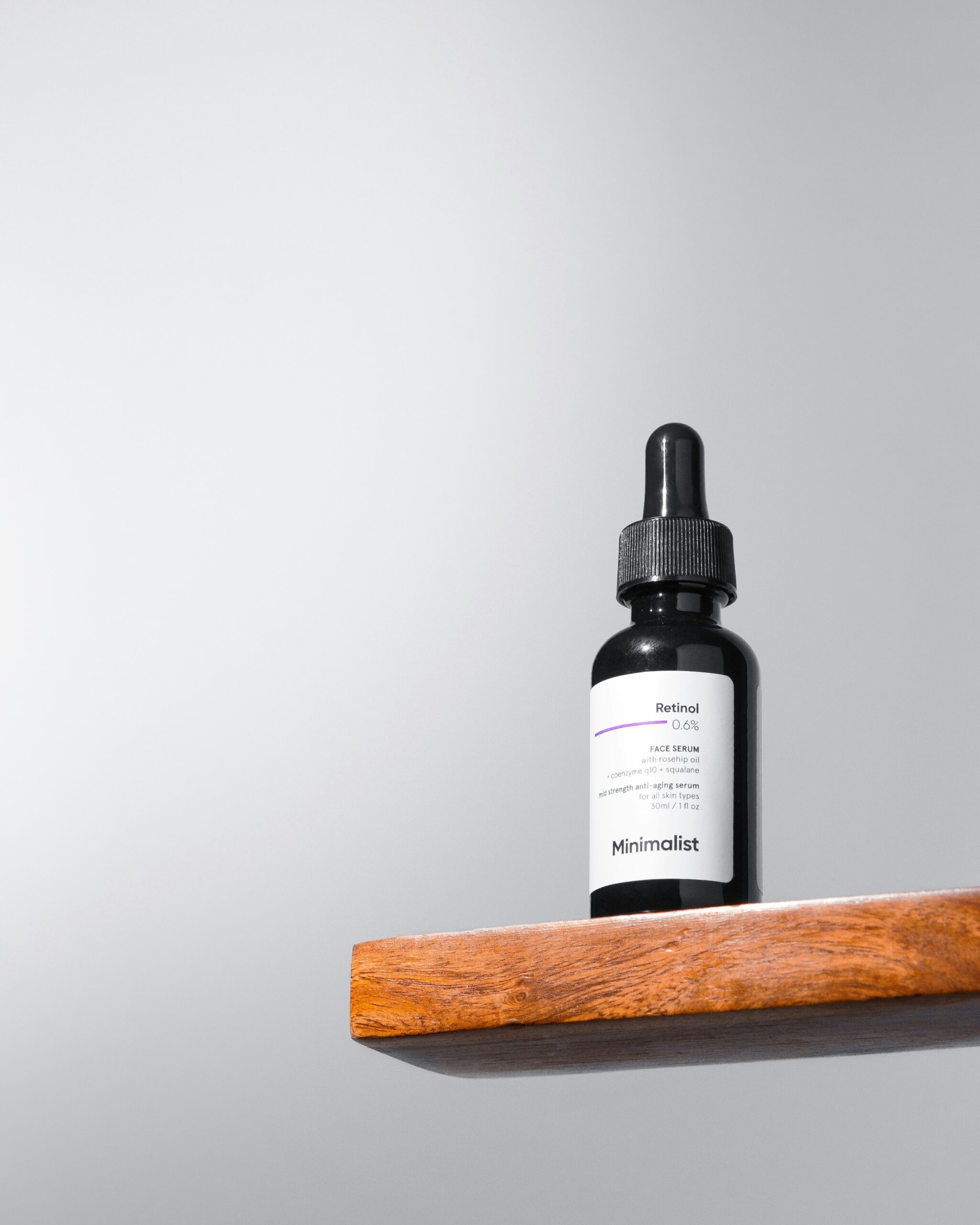
• Retinoids (Retinol, Retinaldehyde): Formulated to accelerate cellular turnover
and smooth deep wrinkles in older adults. On younger, highly active skin, it
frequently triggers extreme dryness, peeling, and chronic irritation.
• High-Percentage Alpha-Hydroxy Acids (AHAs like Glycolic or Lactic Acid):
Designed as chemical exfoliants. When overused on a young skin barrier, they
can eat right through the protective upper layers, resulting in painful chemical
burns.
• Concentrated Vitamin C Serums: A potent antioxidant that, in high
percentages, is far too acidic for young skin, often triggering allergic reactions
and inflammatory breakouts.
When these intense chemicals are stacked in an elaborate multi-step routine, they strip
away essential lipids and disrupt the “acid mantle”—the skin’s natural shield against
bacteria and environmental stressors. Instead of achieving the promised “glass skin,”
users often trigger chronic inflammatory cycles, making them far more prone to facial
eczema, perioral dermatitis, and long-term hyperreactivity.
The Clinical Reality: Healthy adolescent skin requires only three foundational steps: a
gentle, fragrance-free cleanser, a basic ceramide moisturizer, and daily broad-spectrum
SPF. Introducing adult-strength actives without a medical diagnosis is completely
counterproductive.
The Psychological Driver: Anti-Aging Anxiety
Beyond the physical damage, the “skinfluencer” phenomenon carries a profound
psychosocial impact. The trend has effectively gamified clinical interventions, convincing
teenagers and young adults to express intense anxiety over fine lines, volume loss, and
aging markers that are biologically decades away.
This consumer behavior creates a frustrating, cyclical trap. A user sees a filtered,
poreless complexion on a screen and buys a harsh active serum to replicate it. That
serum inevitably irritates their dynamic skin, causing redness or an acne flare-up.Misinterpreting this normal physiological reaction as a “flaw,” the user buys even more
products to correct the damage—entirely unaware that their multi-step routine is the
actual root of the problem.
Cosmetic brands capitalize on this vulnerability. By utilizing playful, pastel packaging,
interactive pump bottles, and highly relatable influencer campaigns, they market clinical-
grade chemicals as harmless, everyday trends. Because these products are legally
classified as cosmetics rather than pharmaceuticals, they bypass the strict pediatric
safety testing required for medical therapeutics, leaving young consumers to act as
unregulated test subjects.
How to Reset and Heal the Barrier
For teens experiencing stinging, peeling, or persistent redness, the solution isn’t a new
viral product; it is an immediate routine de-escalation.
Medical doctors advise stripping the regimen entirely back to a gentle, barrier-
supporting framework: a mild cleanser, a basic barrier-repair cream (look for ingredients
like ceramides or glycerin), and a reliable daily sunscreen. Real skin naturally
possesses texture, pores, and occasional fluctuations. Reclaiming healthy skin means
tuning out the aggressive marketing algorithms and letting the body’s largest organ do
exactly what it was designed to do: protect itself.