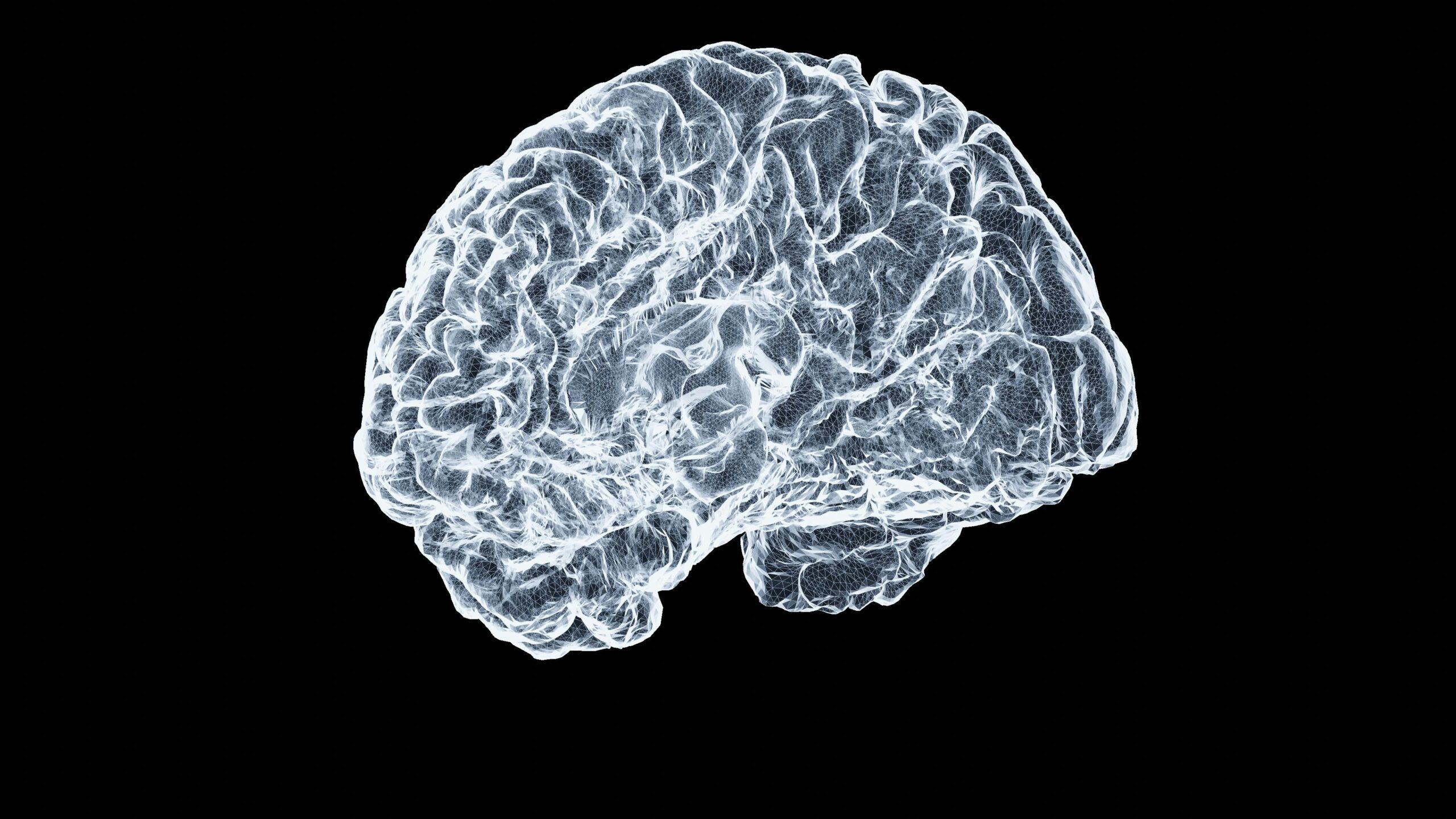




Imagine needing a decade of graduate lab training just to touch serious biomedical research, only to watch a crew of five IT analysts—three of whom had never taken an advanced science class—successfully synthesize scorpion neurotoxins using machine learning models on ordinary computers. Citrini Research flagged this wild experiment recently, spotlighting an undeniable cultural shift: the barrier to cracking world-class scientific puzzles is crumbling in real time. Armed with neural networks, non-specialists are jumping headfirst into molecular discovery.
That accessibility could not arrive at a more urgent moment. Across global hospitals, humanity is quietly losing ground against “superbugs.” These aggressive, drug-resistant bacterial strains shrug off standard antibiotics with ease, threatening a future where a minor scrape or dental routine morphs into an untreatable bloodstream infection. As conventional pharmaceuticals hit a wall, researchers have revived a bizarre, ancient bacteriophages.
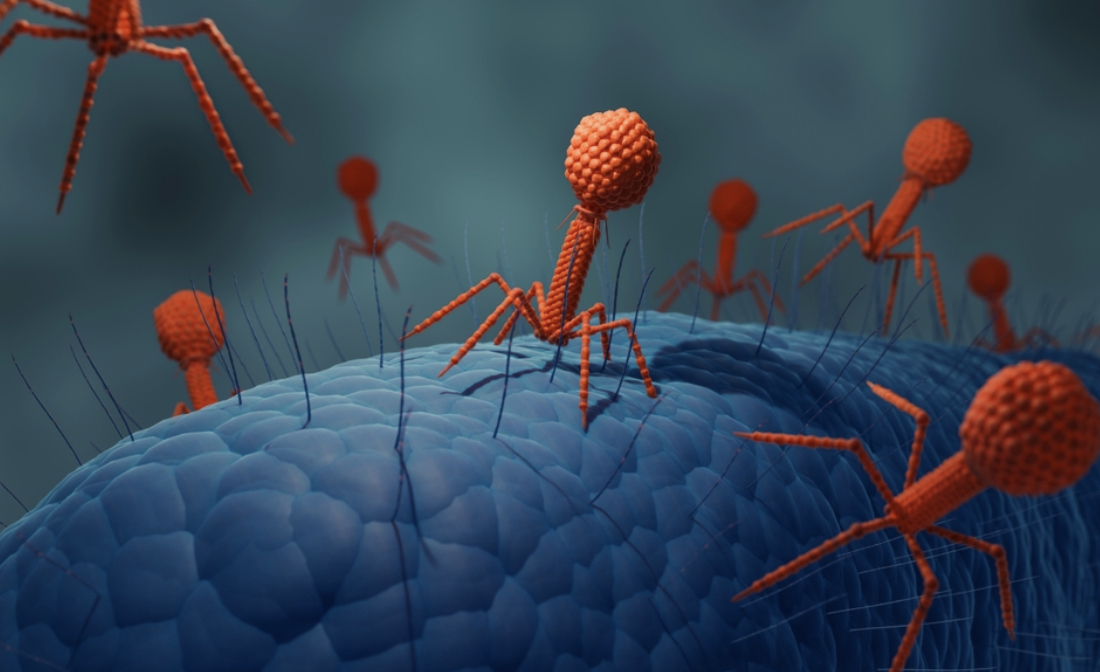
Phages are microscopic viral predators that have hunted bacteria across terrestrial ecosystems for billions of years. Crucially, they leave human cells completely unharmed. From an engineering standpoint, they resemble autonomous, precision-guided microscopic assassins.
Yet their greatest strength hides a brutal logistical bottleneck: extreme specialization. A specific phage might obliterate one strain of bacteria while leaving an almost identical variant right next to it completely untouched.Because of this lock-and-key exclusivity, finding a cure historically meant scouring literal nature reserves, dirt tracks, and urban sewer runoff to catalog wild specimens. When an ICU patient is slipping into septic shock, a weeks-long analogue scavenger hunt through muck is far too slow to save a life.
That is where computational biology flips the script entirely. Rather than digging through topsoil, biotech outfit Radical Numerics deployed Omni One—a generative genome language model trained on biological code.Instead of sifting through existing wild samples, researchers used the model to design a completely synthetic,customized phage tailored specifically to the unique bacterial fingerprint inside a terminally ill patient.
Administered under physician-led compassionate use, the procedure marked the world’s first clinical application of an AI-generated phage. While official health outcomes remain confidential under patient privacy safeguards, early laboratory evaluations confirmed the synthetic phage successfully demolished its target, with doctors anticipating positive therapeutic results.
When you step back, the sheer scale of this biological battlefield is mind-boggling. Our planet contains an estimated 10³¹ individual bacteriophages locked in continuous evolutionary warfare against 10³⁹ bacteria. It is the largest living data set in the universe, dynamic and chaotic.
For the past century, medicine relied on stumbling across effective compounds through sheer luck or brute-force cataloging. Today, algorithms treat biological genomes much like software engineers treat source code:debugging errors, compiling instructions, and generating tailor-made solutions on demand. We are crossing into an era of biological abundance and optimism, proving that when accessible intelligence meets nature’s deepest threats, the next life-saving breakthrough can come from anyone sitting behind a keyboard.