




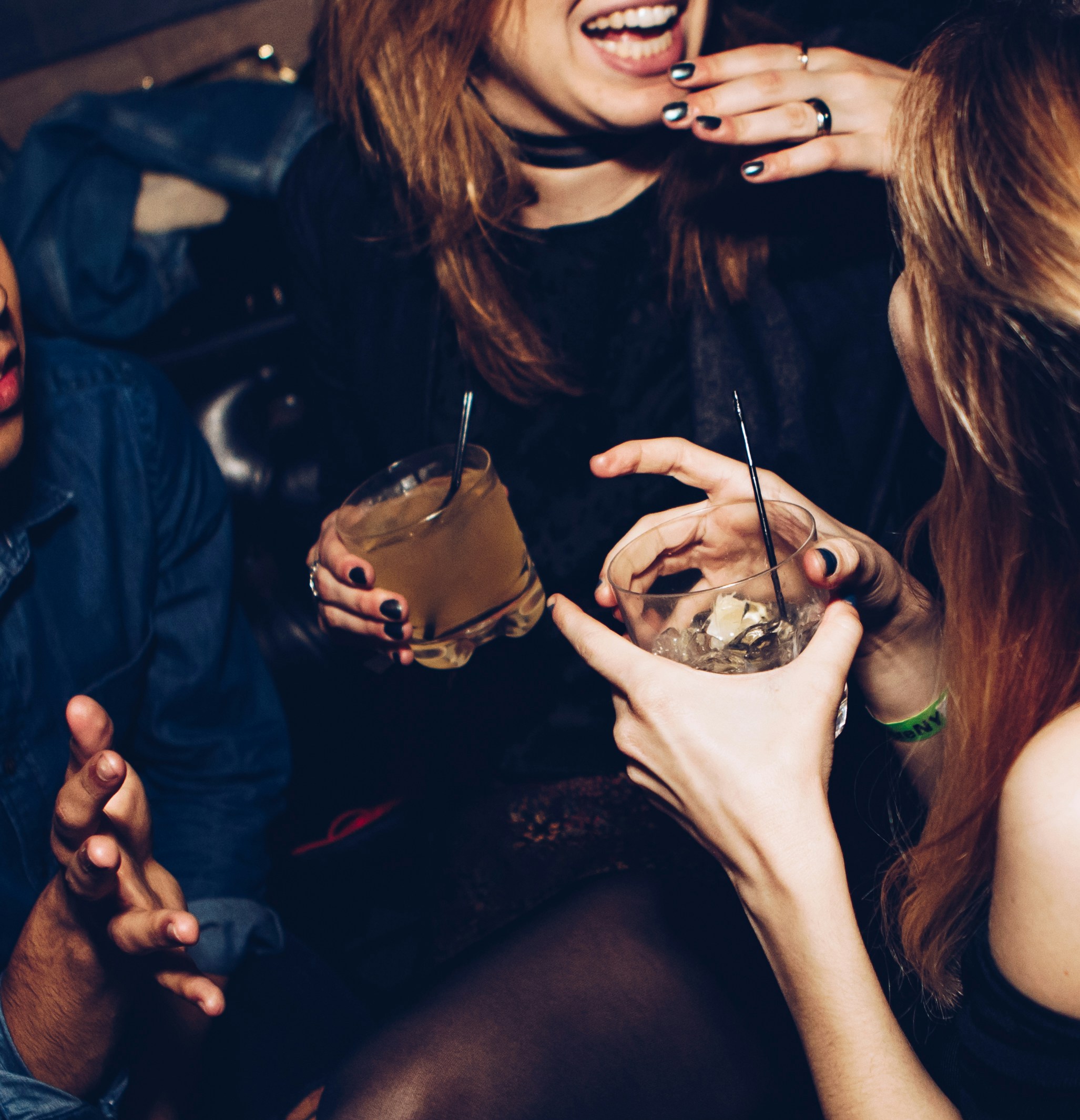
It’s Friday night. Your friends are hanging out, music is playing, and someone pulls out a bottle of alcohol. A few people start drinking, and suddenly you’re being asked, ‘Come on, just one drink. What’s the big deal?’ You hesitate, but everyone seems to be having fun. Saying no feels harder than it should.
For today’s teenagers, alcohol is more than just something people experiment with at parties. It’s often connected to social acceptance, stress, and the pressure to fit in. With TikTok, Snapchat, and Instagram constantly showing highlight reels of parties and celebrations, drinking can seem like a normal part of teenage life. But what those videos rarely show are the consequences.
The teenage brain is still developing, particularly the areas responsible for judgment, memory, and impulse control. Alcohol interferes with these functions, making risky decisions more likely. Drinking heavily or frequently during adolescence can also affect learning and increase the risk of developing alcohol-related problems later in life.
Mental health is another concern. Many teenagers already struggle with academic pressure, friendships, relationships, and anxiety about their futures. Some turn to alcohol hoping to relax or escape their problems. Unfortunately, alcohol can disrupt sleep, worsen anxiety, and intensify feelings of sadness. What seems like temporary relief can sometimes make an already stressful situation worse.
Then there’s the digital world. Imagine making an embarrassing decision at a party, only to discover the next morning that someone recorded it and shared it online. A moment of poor judgment can quickly become a viral video, affecting friendships, reputations, and even future opportunities.
Of course, not every teenager drinks, and not every party involves alcohol. But peer pressure can make it feel as though everyone is participating. The fear of missing out is powerful, especially when social media makes other people’s lives look endlessly exciting.
So how do you handle the pressure? Sometimes it’s as simple as keeping a nonalcoholic drink in your hand, suggesting another activity, or having a friend who supports your decision. And if someone has been drinking and becomes unresponsive or has trouble breathing, getting emergency help matters more than avoiding trouble.
Ultimately, being confident doesn’t mean following the crowd. It means making choices that reflect who you are, even when those choices aren’t popular.